
The short answer
You shouldn't do a 3-day fast if you're pregnant or breastfeeding, under 18, underweight, or have a current or past eating disorder. Talk to a doctor first if you have diabetes, kidney, heart or liver disease, low blood pressure or gout, or take regular prescription medication. For most healthy adults outside these groups, a well-prepared 3-day fast is usually tolerated, but it still isn't right for everyone, and no product makes it safe for someone it isn't safe for.
Why a 3-day fast is different from skipping breakfast
Intermittent fasting, like eating within an 8-hour window, keeps you eating every day. A 3-day fast doesn't. Over 72 hours your body switches fuel, your kidneys release more sodium, and your blood sugar and blood pressure can shift. For a healthy body those changes are manageable. For a body already managing a condition or a medication, they can tip something out of balance. That's why this list is longer than the usual "intermittent fasting isn't for everyone" line.
Don't do a 3-day fast if you…
These are the groups where the risks clearly outweigh any benefit.
- Are pregnant, trying to conceive or breastfeeding. Your nutrient needs are higher, and a growing baby or milk supply depends on a steady intake.
- Are under 18. Growing bodies and brains need regular meals. Research on fasting and focus shows children and teens perform worse when they skip meals, unlike adults.
- Have a current or past eating disorder, including anorexia, bulimia, binge eating disorder or a pattern of restricting. The structure of a fast can reinforce restriction or trigger a relapse, however well it's planned.
- Are underweight or malnourished, or have lost weight without trying recently. Your body has fewer reserves, and the risk of problems when you start eating again (refeeding syndrome) is higher.
- Are recovering from surgery, a serious illness or an infection. Healing needs fuel and protein.
Talk to your doctor first if you…
These don't automatically rule you out, but a 3-day fast can interact with your condition or medication. A doctor may adjust doses, ask you to monitor something, or suggest a shorter fast instead.
| If you have or take… | Why it matters during a 3-day fast |
|---|---|
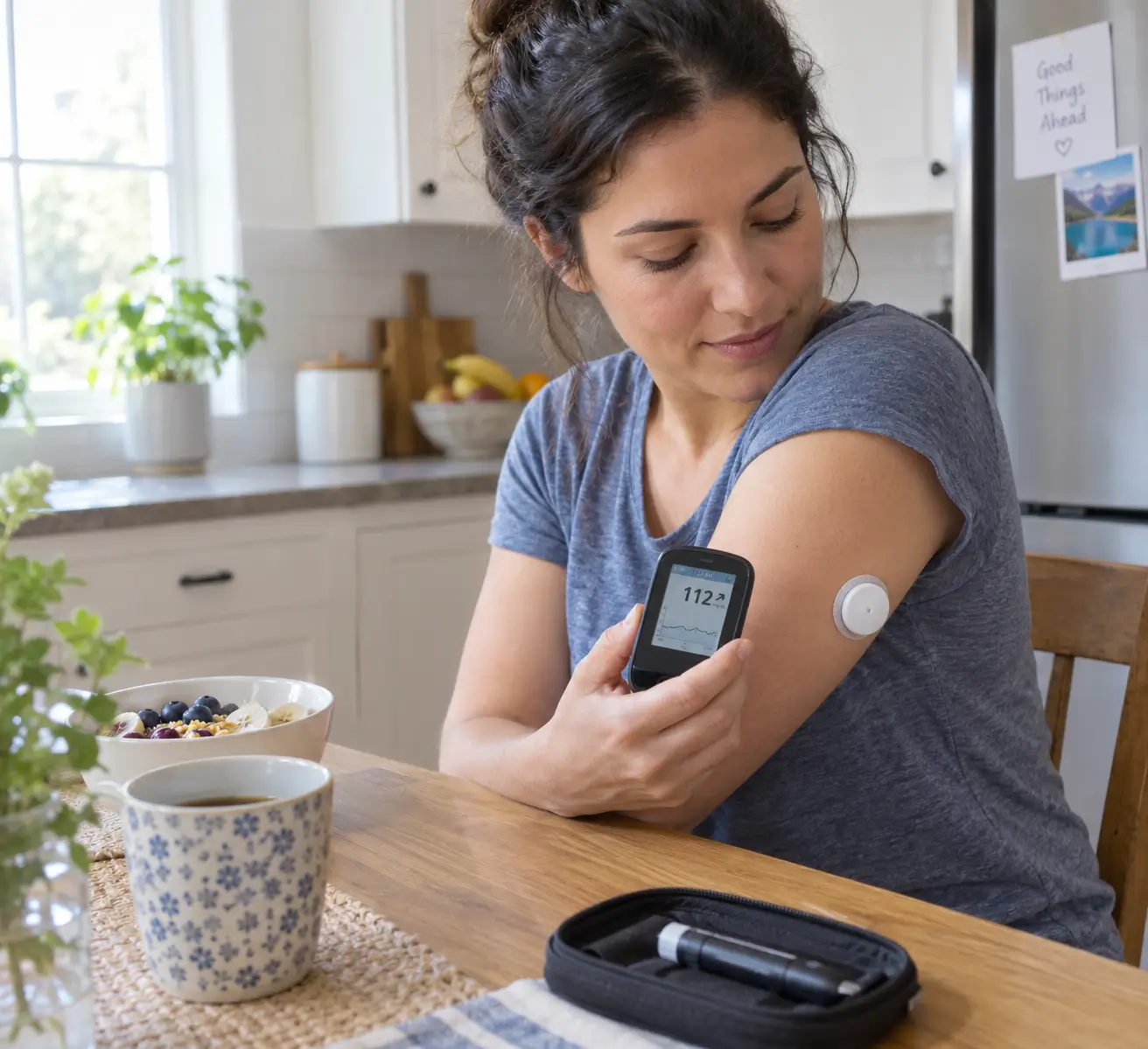
Type 1 diabetes, or type 2 on insulin or sulfonylureas | Risk of low blood sugar. Doses often need changing, so don't fast without a plan from your doctor |
SGLT2 inhibitors (such as Jardiance or Farxiga) | Linked to a rare but serious ketoacidosis that can happen even when blood sugar looks normal |
Blood pressure medication, diuretics (water pills), ACE inhibitors or ARBs | Fasting lowers sodium and can lower blood pressure further, causing dizziness or fainting; some of these drugs also affect potassium |
Kidney disease | Your kidneys handle the sodium and potassium shifts of a fast; electrolyte supplements may also be unsafe |
Heart disease or heart rhythm problems | Electrolyte changes can affect heart rhythm |
Liver disease | The liver does much of the work of switching fuel |
Gout or a history of kidney stones | Fasting tends to raise uric acid, which can trigger an attack |
Low blood pressure or a history of fainting | Fasting can lower blood pressure further |
Medication that must be taken with food (some anti-inflammatories, steroids and others) | Taking it on an empty stomach can cause side effects or change how it works |
Lithium or other drugs with a narrow safe range | Changes in fluid and sodium can change drug levels |
Age over 65, especially if frail | Less muscle and fewer reserves to draw on |
This list isn't complete. If you take any regular prescription, the simplest rule is: ask the prescriber before fasting. Don't stop or change a medication on your own to make a fast work. For diabetes medication specifically, see how insulin changes during a fast.
Why this list matters more after 40
Most people in their 40s and 50s aren't sick, but more of them take something: a blood pressure pill, a statin, something for reflux or sleep. Every one of those is a reason to ask first, not a reason to panic. A five-minute question to your doctor or pharmacist is the most useful step in any fasting plan. Women in perimenopause or menopause have their own considerations.
It's also worth waiting if…
Not medical reasons, just practical ones:
Your job needs full alertness or physical effort: driving for a living, operating machinery, or long physical shifts. Pick days off instead.
You're training hard or have an event coming up.
You're going through a very stressful period or sleeping badly. A fast adds stress, it doesn't relieve it.
You find yourself fasting to "make up" for eating. That's a sign the fast is about something other than wellness.
If you're a healthy adult who wants to try it
For healthy adults outside the groups above, a 3-day fast is usually well tolerated when it's prepared well:
- Keep up your electrolytes, especially sodium. Many common fasting side effects come from low sodium.
- Drink to thirst, not to a gallon goal.
- Taper caffeine before you start.
- Keep exercise light: walks, stretching.
- Break the fast gently, with something small and easy to digest before a full meal.
- Know the warning signs to stop (fainting, chest pain, confusion, a racing or irregular heartbeat, severe weakness). Read what's normal and what's not before you start.
How sure can we be?
Established: the groups in "Don't do a 3-day fast if you…" are standard exclusions in clinical guidance on fasting.
Established: insulin and sulfonylureas raise the risk of low blood sugar when you don't eat, and fasting lowers sodium and often blood pressure.
Limited evidence: most research on longer fasts involves small groups of healthy adults, often under supervision. There's much less on people with several conditions, older adults or people on multiple medications. Where evidence is thin, caution is the right default.
FAQ
Is a 3-day fast safe?
For most healthy adults, a well-prepared 3-day fast with electrolytes is usually tolerated without serious problems. It isn't safe for everyone: pregnant or breastfeeding people, under-18s, underweight people and anyone with an eating disorder history should not do one.
Can I do a 3-day fast if I have type 2 diabetes?
Only with your doctor's involvement. Diabetes medications, especially insulin and sulfonylureas, can cause dangerous low blood sugar when you're not eating, and doses often need to change.
Can I fast if I take blood pressure medication?
Talk to your doctor first. Fasting lowers sodium and often blood pressure, and combined with medication this can cause dizziness or fainting.
Should I stop my medication during a fast?
No, not without your prescriber's advice. Stopping medication on your own can be more dangerous than the fast itself.
Is a 3-day fast safe over 50?
Age alone doesn't rule it out for healthy adults. Over 65, or if you're frail or managing conditions, talk to your doctor first.