The short answer
They do different jobs. A juice cleanse is a low-calorie, high-sugar liquid diet with no good evidence that it "detoxes" anything. OMAD (one meal a day) is a long-term eating pattern that works for some people but tends to increase hunger. A structured 3-day fast is a short, defined reset where the body switches to burning fat. For a short reset, a supported 3-day fast is the more evidence-aware choice; for an everyday habit, none of them beats a balanced diet you can stick to.
Three ways to "reset", side by side
It's January-ish thinking in any month: after a heavy stretch of holidays, cookouts or work dinners, you want a clean break. Here's how the three most common options compare:
| Comparison | Juice cleanse | OMAD (one meal a day) | Structured 3-day fast (e.g. Burnbox) |
|---|---|---|---|
| What it is | Only fruit and vegetable juices, usually 1–5 days | All daily food in one meal, ongoing | No meals for 3 days, with electrolytes, fiber and an evening broth |
| Typical calories | Low, mostly from sugar | Normal or slightly reduced | About 75 a day |
| Protein | Very little | Normal, if the meal is balanced | A little, from the evening bone broth (3 g per serving) |
| Fiber | Very little (juicing removes most of it) | Normal, if the meal is balanced | Added through psyllium and flax fiber shakes |
| Does the body switch to burning fat? | Partly at most; juice sugar keeps feeding glucose | Briefly each day | Yes, increasingly from day 2 |
| Hunger | Often blood-sugar swings | Increased hunger in the main trial | Waves on days 1–2, often fading by day 3 |
| Best for | People who enjoy juice and want a short liquid plan | People who like routine and one big meal | People who want a short, defined reset with support |
| Main downside | Sugar, little protein; "detox" claims aren't supported | Hunger; hard to fit enough nutrients into one sitting | Not for everyone; day 2 can be tough |
Juice cleanses: what they do and don't do
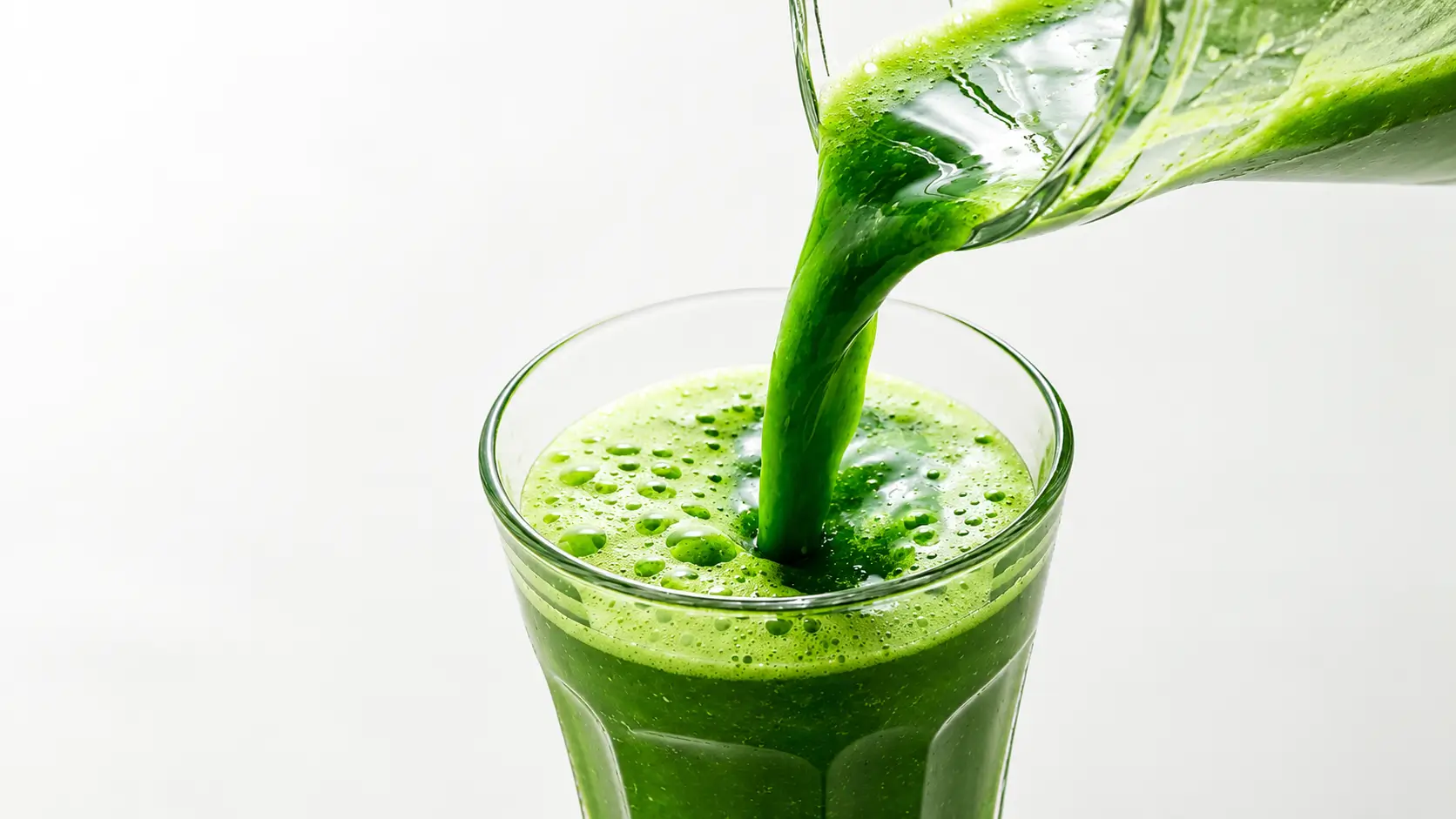
A juice cleanse replaces meals with fruit and vegetable juice. Juice does contain vitamins and plant compounds, and some people enjoy the ritual. That part is real.
The weaker parts:
- "Detox" isn't supported. Your liver and kidneys clear waste continuously. There's no good evidence that juice cleanses remove toxins or improve how those organs work.
- Lots of sugar, little protein or fiber. Juicing removes most of the fiber that slows sugar absorption. Consumer Reports reviewed several 3-day programs and found them too high in sugar and too low in fiber and protein.
- The weight loss is mostly water. Like any very low-calorie plan, the scale drops, mainly from water and stored glycogen, and much of it returns when you eat normally.
- It isn't really a fast. Regular juice keeps your insulin up, so the body doesn't fully make the fuel switch that a fast does.
OMAD: what it does and doesn't do
OMAD means eating all your food in one meal and fasting the rest of the day. Some people find it simple and freeing: one decision about food a day.
The research is thinner than its popularity suggests. In the best-known controlled trial, a 2007 study run with USDA researchers, healthy middle-aged adults ate the same calories in one meal or three. On one meal a day they lost a little fat, but they also reported significantly more hunger, and their blood pressure and cholesterol rose. Follow-up analysis found higher morning blood sugar too. It was a small pilot study, so the results aren't final, but they're a reason for caution, especially after 40, when blood pressure and blood sugar are already worth watching.
OMAD's practical issues: it's hard to fit enough protein, fiber and nutrients into one sitting, and for some people it slides into a feast-and-restrict pattern.
A structured 3-day fast: what it does and doesn't do
A 3-day fast is short and has a clear end. Its strength is the stages:
- Day 1: the body runs mostly on stored glucose (glycogen).
- Day 2: glycogen runs low and the body switches over. Usually the hardest day.
- Day 3: the body runs mainly on fat and ketones; here's the ketosis timeline. This is the fuel switch a juice cleanse doesn't fully reach.
What it doesn't do, and we'd rather say so: most of the scale drop over 3 days is still water and glycogen, and some returns when you eat again (here's the honest math). A 3-day fast isn't a daily eating plan either; it's a reset you might repeat now and then (see how often to do a 3-day fast). And it isn't right for everyone: read who shouldn't do a 3-day fast.
How sure can we be?
Established: juice cleanses don't "detox" the body; the liver and kidneys do that continuously.
Established: a 3-day fast moves the body into a fat-burning, ketone-producing state.
Limited evidence: OMAD's effects on hunger, blood pressure and cholesterol come from one small controlled trial.
Experience, not a study: people find a supported fast easier to finish than water alone.
Where Burnbox fits
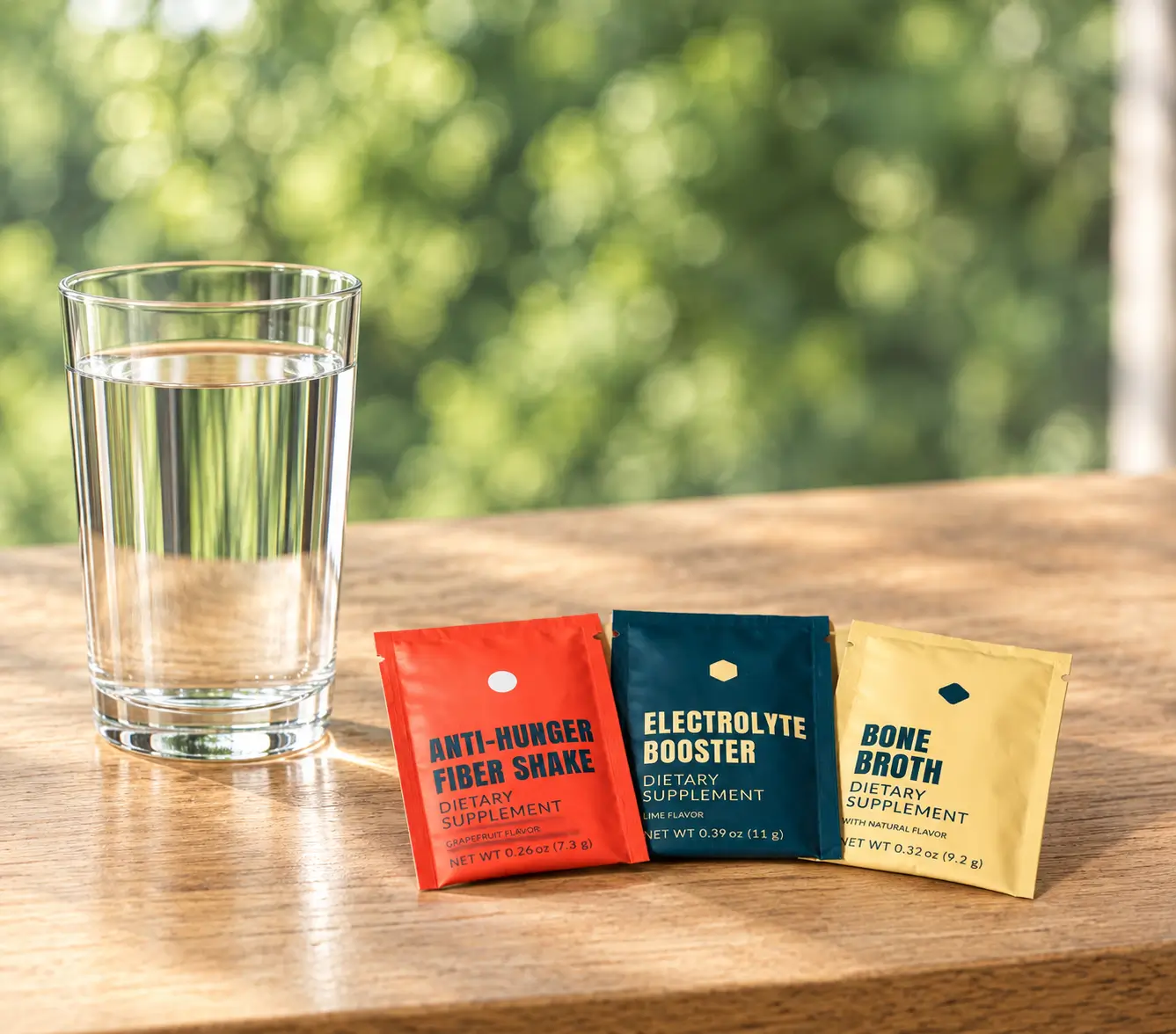
Burnbox is a structured 3-day fast in a box: a lime Electrolyte Booster (about 640 mg sodium and 820 mg potassium plus magnesium), grapefruit fiber shakes with psyllium and flax for hunger waves, and a chicken bone broth each evening for salt, warmth and 3 g of protein. It keeps the parts of a fast that matter (no meals, the fuel switch) and supports the parts that make people quit (low sodium, hunger, long evenings).
Can you do it yourself? Yes: salt, a potassium source, a magnesium supplement, a fiber supplement and plain broth cover the same ground. The kit exists for people who'd rather not measure it all out on day 2. Comparing with water only? Read water fasting vs Burnbox, or see the 3-day kit.
Which one is right for you?
You want a daily habit:
none of these on its own. A balanced diet, enough protein and a regular overnight eating window (12 or 14 hours) are better supported long term.
You like one big meal and handle hunger well:
OMAD may suit you, but keep an eye on your blood pressure and make that one meal count.
You love juice:
enjoy it with meals. As a cleanse, it doesn't do what it promises.
You want a short, defined reset and you're a healthy adult:
a supported 3-day fast is the most structured option, with a clear beginning, middle and end.
FAQ
Is a juice cleanse the same as fasting?
No. Juice contains sugar and calories that keep insulin up, so the body doesn't fully switch to burning fat the way it does during a fast.
Do juice cleanses detox your body?
There's no good evidence they do. Your liver and kidneys handle waste continuously, and juice hasn't been shown to improve that.
Is OMAD better than a 3-day fast?
They're for different things. OMAD is an ongoing eating pattern; a 3-day fast is a short reset. In the main controlled OMAD trial, people were hungrier and had higher blood pressure on one meal a day.
Which approach loses the most weight?
In the short term, the lowest-calorie option drops the scale fastest, mostly as water. Long-term weight change depends on what you eat after, not on the reset itself.
Can I do a 3-day fast without a kit?
Yes. The essentials are electrolytes (especially sodium), fluids, and a plan for hunger. A kit packages those so you don't have to measure them.