The short answer
The first meal after a 3-day fast should be small, soft and boring, and that's exactly why it works. Start with a cup of broth, a couple of eggs or plain yogurt, wait an hour or two, then have a normal-sized meal. Skip the huge, greasy, sugary or alcohol-heavy celebration meal. Expect the scale to go up a little as water and glycogen return; that's normal and not fat.
Why the first meal matters
After three days without food, your gut has been resting. Digestive enzymes and stomach acid are running lower, and your body has switched to burning mostly fat. The first meal flips several of those switches back on at once.
Done gently, that's uneventful. Done with a double cheeseburger, fries and a milkshake, it often means bloating, cramps, a sugar crash and a feeling that the whole fast was a mistake. The fast was fine. The landing was rough. Think of day 4 as the walk down from the summit: still part of the route.
A word on refeeding syndrome
You may have read about refeeding syndrome, a serious shift in minerals like phosphate, potassium and magnesium when someone starts eating again after a long time with little or no food. It's real, but it's a clinical condition. UK NICE guidance flags higher-risk people as those who have eaten little or nothing for more than 5 days, are very underweight, or have lost a lot of weight unintentionally, among other factors.
A healthy adult finishing a planned 3-day fast is generally low-risk. Going gently is still the right approach. If you have a medical condition, take medication that affects your electrolytes or blood sugar, or ate very little before the fast, get medical advice first, and read who shouldn't do a 3-day fast.
Your day 4 and day 5 plan
Print this, or screenshot it the night before:
| When | What to eat | Why |
|---|---|---|
| Day 4, first meal | A cup of broth, two eggs, plain Greek yogurt, or a little fish with soft-cooked vegetables | Small, soft and with some protein: easy on a gut that has been resting |
| Day 4, 1–2 hours later | A small balanced meal: protein, cooked vegetables, a modest serving of rice or potatoes | Brings carbohydrate back gradually, so blood sugar doesn't spike and crash |
| Day 4, evening | A normal-sized dinner, still on the lighter side | Your hunger signals are back, but your stomach is still adjusting |
| Day 5 | Your usual meals, with a little more protein than normal | Supports muscle; this is where the habits you kept start to count |
Good first-meal options
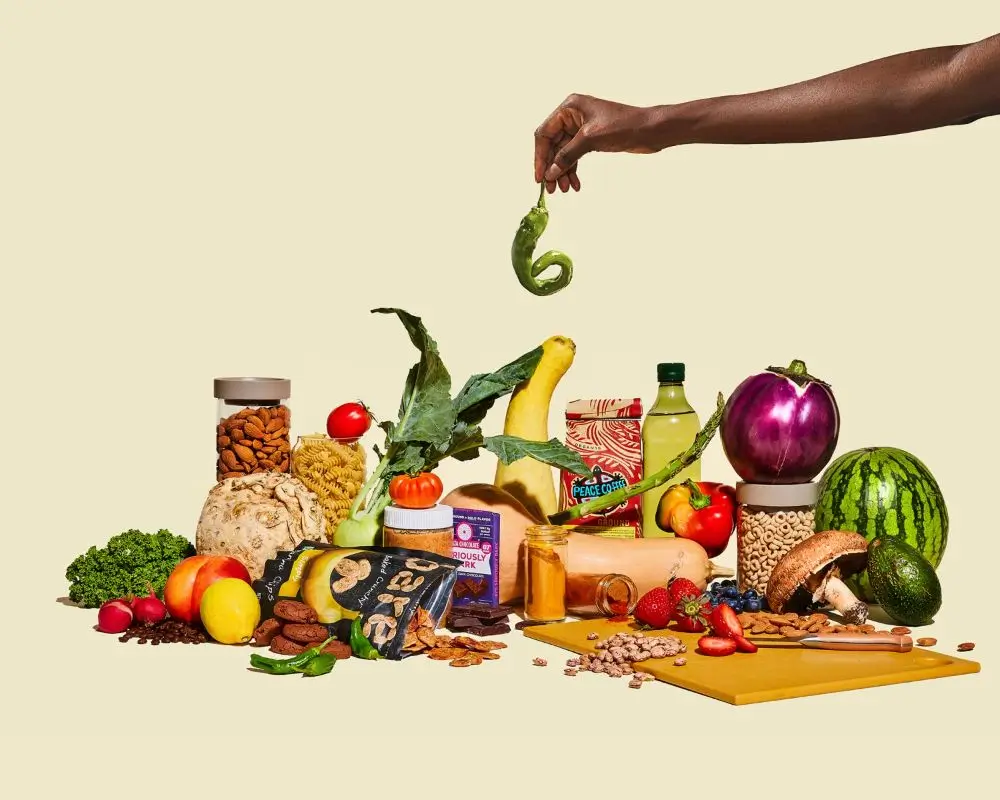
- A cup of warm bone broth or vegetable soup
- Two eggs, scrambled or boiled
- Plain Greek yogurt or kefir
- A small portion of fish or chicken with soft-cooked vegetables
- Half an avocado
Aim for a modest portion, roughly a side plate. Eat slowly and stop before you're full; your hunger signals take a while to come back online.
What to skip at first
- Big, fatty meals. Fried food and rich sauces are the most common cause of post-fast stomach upset.
- Lots of sugar or refined carbs. Pastries, candy and white bread can cause a fast spike and crash in energy, especially because your cells are briefly less sensitive to insulin after a fast; see what happens to blood sugar after a fast.
- Large amounts of raw fiber. A giant salad or a bowl of beans can cause gas and bloating. Add fiber back over a day or two.
- Alcohol. Your tolerance is lower and your blood sugar is still settling. Wait until you've had a couple of normal meals.
What to expect on the scale
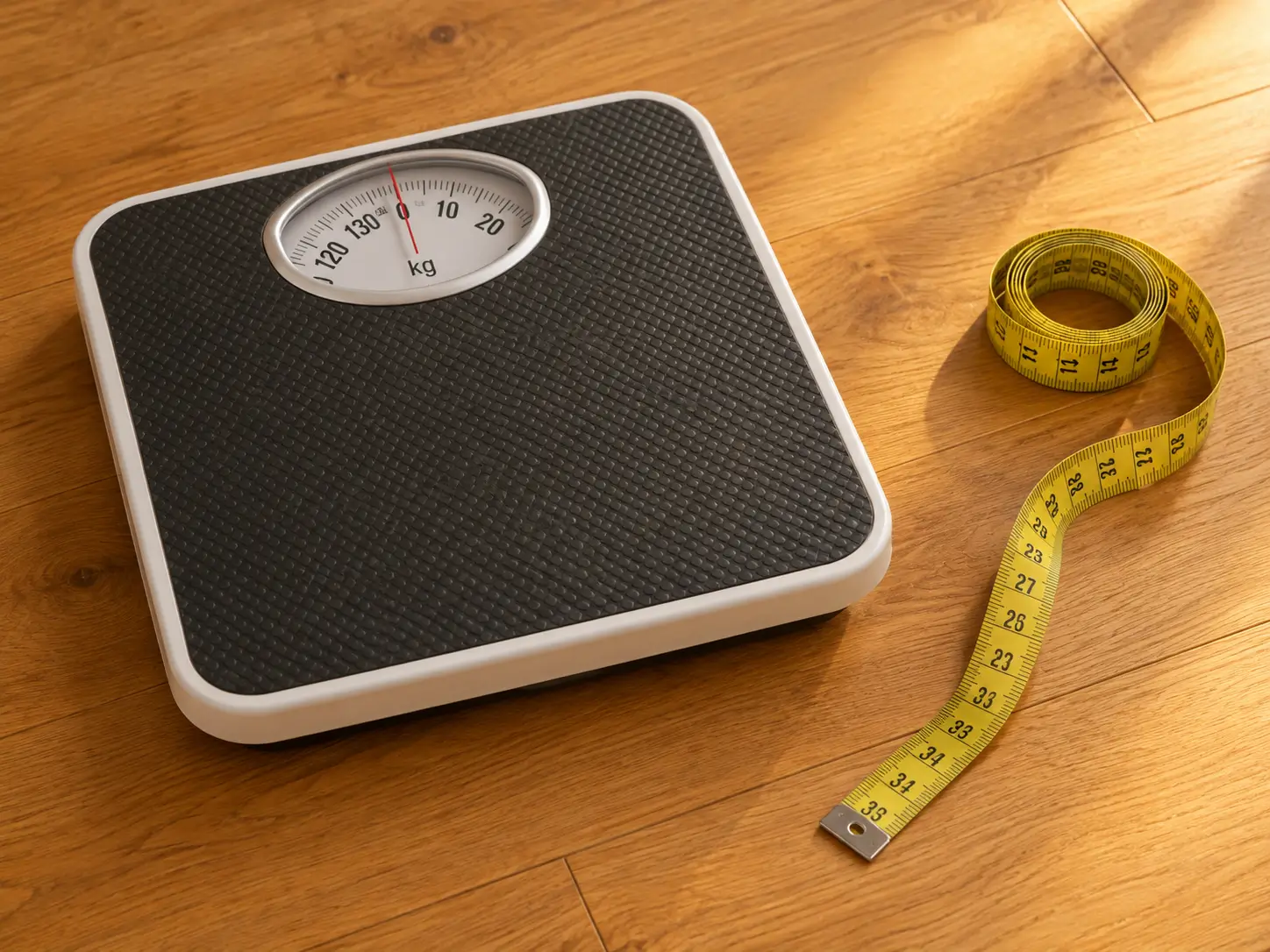
Most people see the scale go up 1 to 3 pounds in the day or two after a fast. That's glycogen and water refilling, not fat coming back. A waist measurement taken a few days later gives a truer picture than the morning after. More in how much weight you can realistically lose in 3 days.
After 40: put protein first
From your 40s on, muscle is harder to build and easier to lose, so the days after a fast matter. Eat protein at every meal for the next week (eggs, fish, chicken, Greek yogurt, beans), and get back to your usual strength training once you're eating normally.
How to keep the reset going
The biggest win from a 3-day fast is often not the number. It's noticing that you can be hungry and be fine, that you don't need to snack every two hours, and which habits you missed least. A few ways to hold onto that:
- Keep one thing from the fast, such as no snacking after dinner or a lime electrolyte drink in the afternoon.
- Write down how you felt on day 3 in your journal. It's useful next time.
- Put your next fast in the calendar.
How sure can we be?
- Established: refeeding syndrome is a real clinical risk for people who are malnourished or have eaten very little for more than about 5 days.
- Established: the scale goes back up after a fast as glycogen and water return.
- Conservative practice, not a clinical protocol: the gentle day 4 plan above for healthy adults.
The route doesn't end on day 3
The Burnbox kit ends each fasting day with a chicken Bone Broth, so your body is already used to something warm and savory when you start eating again. See the 3-day kit
FAQ
What is the best first meal after a 3-day fast?
Something small and easy to digest with some protein: bone broth, eggs, plain yogurt, or a little fish with cooked vegetables.
Can I eat a normal meal right after a 3-day fast?
Most people do better with a small meal first and a normal one an hour or two later. Jumping straight to a large meal often causes bloating.
Why do I feel bloated after breaking a fast?
Your gut has been resting and needs time to ramp back up. Large portions, fatty food and lots of raw fiber are the usual triggers.
Will I gain the weight back after a 3-day fast?
Some of it, yes, because water and glycogen return when you eat. Fat lost during the fast doesn't come back from that alone.
How soon can I drink alcohol after a fast?
Wait until you've had at least a couple of normal meals, and drink with food. Your tolerance will be lower than usual.